
 What is a site mirror and how to set it up correctly
The article explains why it is important to choose a master version of the site and how to properly configure it to avoid indexing and SEO problems.
 Website Pagination: How to Set It Up for User Convenience and SEO
Learn what website pagination is and how to set it up so that it’s convenient for users and beneficial for search engine crawlers.
 Site micromarks
Micro markup of the site — is additional page syntax that helps web crawlers better identify their content.
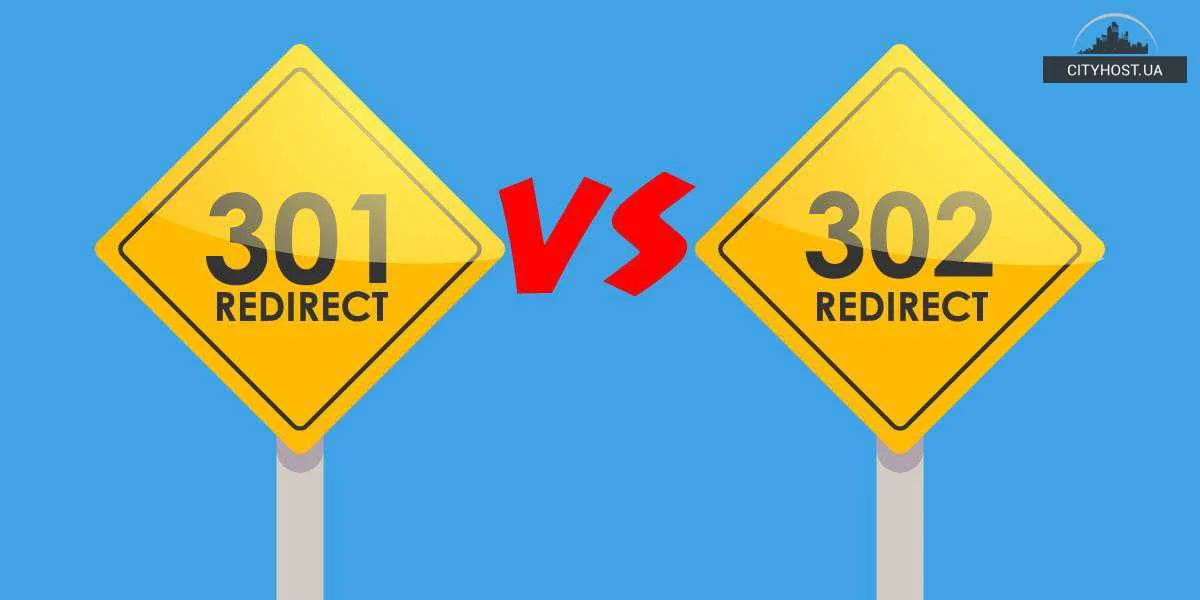 The main differences between 301 and 302 redirects
The difference between 301 and 302 redirects. What is a 301 redirect and how does it differ from a 302.
 How to Move a Website to HTTPS Without Losing Traffic
How to transfer a site from HTTP to HTTPS quickly, simply, without losing traffic.
 How many links can be on a site page
What is the optimal number of links on a website page? What is the maximum number of external links that can be on one page
 Image Title and Alt Attributes: Where to Find and How to Write Them
Current tips on how to optimize image Title and Alt attributes to improve your website’s visibility in search results.
 The influence of the level of attachment on promotion
What should be the nesting level of the page and what it is.
 Why a site snippet
What is a snippet and how it affects the promotion of the site. Go to the link and find out about the criteria and requirements of the website.
 How the design of the site affects its promotion
Does the design of the site affect its promotion in the TOP of the issue? What factors affect the design of the site and why you should care not only about usability.
SEO helps make a website more visible in search engines and attract visitors who are already looking for relevant products, services, or information. It involves continuous work on the website’s structure, content, technical condition, and online authority. Results depend on the quality of the website, competition within its niche, and how well its pages satisfy users’ search queries.
This category contains articles about website SEO, covering everything from keyword research and content preparation to technical audits, link building, and ranking analysis. These materials explain search optimization tools, help identify problems, and support the further development of a website.
Search engines evaluate numerous signals, so SEO cannot be reduced to adding keywords to a text. Google must be able to crawl and index pages correctly, understand their subject matter, and recognize that they are useful and convenient for visitors. Website structure, content quality, internal links, loading speed, mobile usability, and online reputation all matter.
The main areas of website SEO include:
collecting keywords and assigning queries to appropriate pages;
optimizing website structure, headings, Title tags, and meta descriptions;
creating and updating content;
improving crawling and indexing;
identifying technical errors and duplicate pages;
setting up internal linking;
acquiring high-quality backlinks;
analyzing search visibility, rankings, and organic traffic.
These activities are interconnected. Strong content may fail to reach its expected rankings because of technical errors, while link building cannot compensate for a weak structure or pages that do not match search intent.
Technical SEO creates the foundation for proper website crawling. An audit may cover page response codes, redirects, canonical tags, robots.txt, XML sitemaps, duplicates, pagination, mobile usability, and performance metrics. Particular attention should be given to pages that have accidentally been blocked from indexing or generate large numbers of unnecessary URLs.
A website’s server infrastructure affects its stability and speed. When choosing website hosting, consider the technologies used by the project, expected traffic, available resources, and backup options. If the website requires a customized environment or additional computing resources, VPS hosting may be a suitable option. The type of hosting does not guarantee high rankings, but slow or unstable performance can make the website harder to use and limit its development.
Content work begins with analyzing search queries and user intent. Informational, commercial, and navigational queries require different types of pages. When several pages target the same intent, they may compete with one another. If an important keyword cluster has no relevant page, the website can miss part of its potential search traffic.
Keyword research helps create a clear structure and identify topics for future publications. Keywords should be used naturally, without mechanical repetition. A complete answer, accurate information, and readability remain more important than the number of times a phrase appears.
Content should also be reviewed regularly. Data becomes outdated, service interfaces change, and new queries and competitors emerge. Updating existing pages can therefore become just as important as publishing new materials.
Backlinks help search engines evaluate connections between websites and the authority of information sources. Their relevance, the quality of referring websites, and the natural way in which they appear matter more than their total number. Links can be earned through expert articles, research, partner publications, directories, media mentions, and other forms of cooperation.
A domain name is also important for a new project. It should not be overloaded with keywords, but it should be memorable, consistent with the brand, and easy to type. Before launching the website, check the selected name and its history, then register a domain using the actual owner’s details.
SEO performance should not be evaluated using a single ranking for one query. Analysis may include organic traffic, visibility across keyword groups, clicks and impressions, indexing of important pages, conversions, and visitor behavior. Data from Google Search Console, web analytics systems, and SEO platforms helps identify changes and plan further improvements.
SEO takes time because search engines need to crawl pages again, process changes, and reassess the website in relation to its competitors. Regular audits, content development, and technical monitoring help expand the website’s semantic coverage and strengthen its search positions.
The articles in this category explore different aspects of website SEO, Google Search Console, rank-tracking services, backlink analysis, technical errors, and search engine updates. They are intended for website owners, marketers, editors, and specialists who want to work systematically with organic traffic.
CityHost
Services
Contacts


2004 - 2026 "CityHost" - professional
paid hosting in Ukraine.