
 How to transfer a site to Wordpress
Today Wordpress – one of the most popular platforms for creating sites.
The active development of the blogosphere has led to the fact that now anyone can create and run a blog.
 Disadvantages and Advantages of a Cyrillic Domain
Domain registration in Cyrillic has been practiced for a long time, but are there any disadvantages of such a domain name?
 What sites are created on WordPress
For what types of sites is the WordPress CMS ideal, what themes and plugins should be used to create them?
 The main reasons not to use free website hosting
The idea of hosting a site on the Internet for free is enticing. There are plenty of good offers.
 We choose a CMS for an online store
There are several hundred engines for sites. Each of them has its own features and is designed for specific types of sites.
 How to Properly Write a Page Title
How to write a title for a website correctly: tips, requirements, common mistakes and their impact on SEO and clickthrough rate in search engines.
 How to install CMS OpenCart
Read in the new article how to install CMS OpenCart yourself using an FTP client and the Cityhost autoinstaller.
 How to change hosting provider
Sometimes situations arise when a change in website hosting is required.
 How to correctly transfer a site to another domain
How competently transfer site with one domain on other without loss traffic and positions in search output.
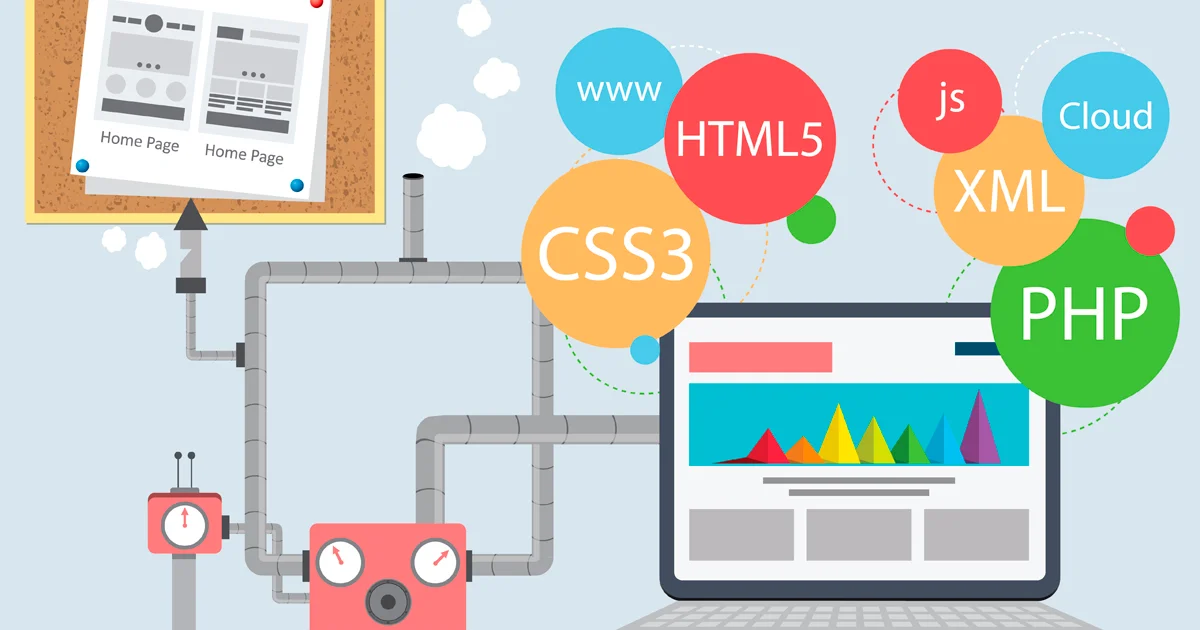 What Types of Website Templates Are There
Templates for sites are very different. Hosting provider Cityhost offers a variety of site templates.
 How to install WordPress on hosting
How to install a WordPress site via the Cityhost admin panel or FTP client — find out in our new article!
A website can serve as a corporate resource, online store, blog, portfolio, online service, or compact page presenting a company’s services. Each format has its own requirements for structure, functionality, and technical foundation. For this reason, website creation begins with defining its goals and target audience.
This category contains articles about website development, design, content, and launch. We explore different ways to create websites, explain technical concepts, and help readers understand the tools required to build their own projects.
Before development starts, it is important to choose the type of website, plan its structure, and prepare a list of required features. A portfolio, for example, may need only a few informational pages and a contact form. An online store usually requires a product catalog, filters, shopping cart, payment options, and customer accounts.
A website can be developed independently, commissioned from a professional, or built using ready-made tools. The right approach depends on the project’s complexity, budget, time frame, and future development plans. Custom development provides greater flexibility, while ready-made platforms and a website builder help launch a simple website faster without advanced programming knowledge.
The main stages of launching a website include:
defining the website’s purpose and target audience;
choosing a development method and the required features;
preparing the structure, design, and content;
registering a domain name and choosing hosting;
testing the website on desktop and mobile devices;
connecting analytics, basic security tools, and backups;
publishing the website and keeping it updated.
Publishing a website on the internet requires a domain name and a place to store its files. A domain should be clear, easy to type, and connected with the name of the company, product, or project topic. Before launch, you can check whether your preferred option is available and register a domain name.
Hosting requirements depend on the technologies used, expected traffic, and volume of data. Shared hosting is generally sufficient for a blog or small corporate website. Projects with more complex features or higher traffic may require more powerful server solutions. On the website hosting page, you can compare available plans and choose resources that meet your project’s requirements.
Publishing the first version does not complete the work on a website. Software components need to be updated, new content must be added, loading speed should be monitored, and security and visitor behavior require regular attention. The website’s structure, design, and functionality may also change as the project develops.
The articles in this category cover individual stages of website creation, common technical difficulties, and solutions for different projects. They will help you plan a launch, supervise the work of contractors, or develop your own website independently.
CityHost
Services
Contacts


2004 - 2026 "CityHost" - professional
paid hosting in Ukraine.