
 TOP-3 CMS for creating a blog
The easiest way to implement a blog is CMS. The best for this purpose are WordPress, Joomla and Drupal, which we will talk about in the article.
 Advantages and disadvantages of CMS MODx
Despite the fact that MODx is consistently included in the TOP-10 CMS, it cannot be attributed to the absolute leaders of the rating...
 About the domain zone .SN
At the end of the eighties of the last century, a special domain .SN was developed for Switzerland.
 What is a proxy server?
Today, when the bulk of computers work through hosting, use various programs and mask the weekend, additional online support is necessary.
 Landing page design: 9 important rules
The main purpose of landing pages is to encourage visitors to take an action...
 Key benefits of CMS Joomla
Thanks to the work of sites on CMS systems, the content management process has been greatly simplified.
 Courses on creating websites
Creating websites is a profitable business, which you can learn either on your own or by taking courses.
 How to choose the right web studio
Recently, creating your own website has become a mandatory step in the development of every company.
 Creation of sites on the 1C-Bitrix platform
1C-Bitrix is considered the most popular of all CMS in our country.
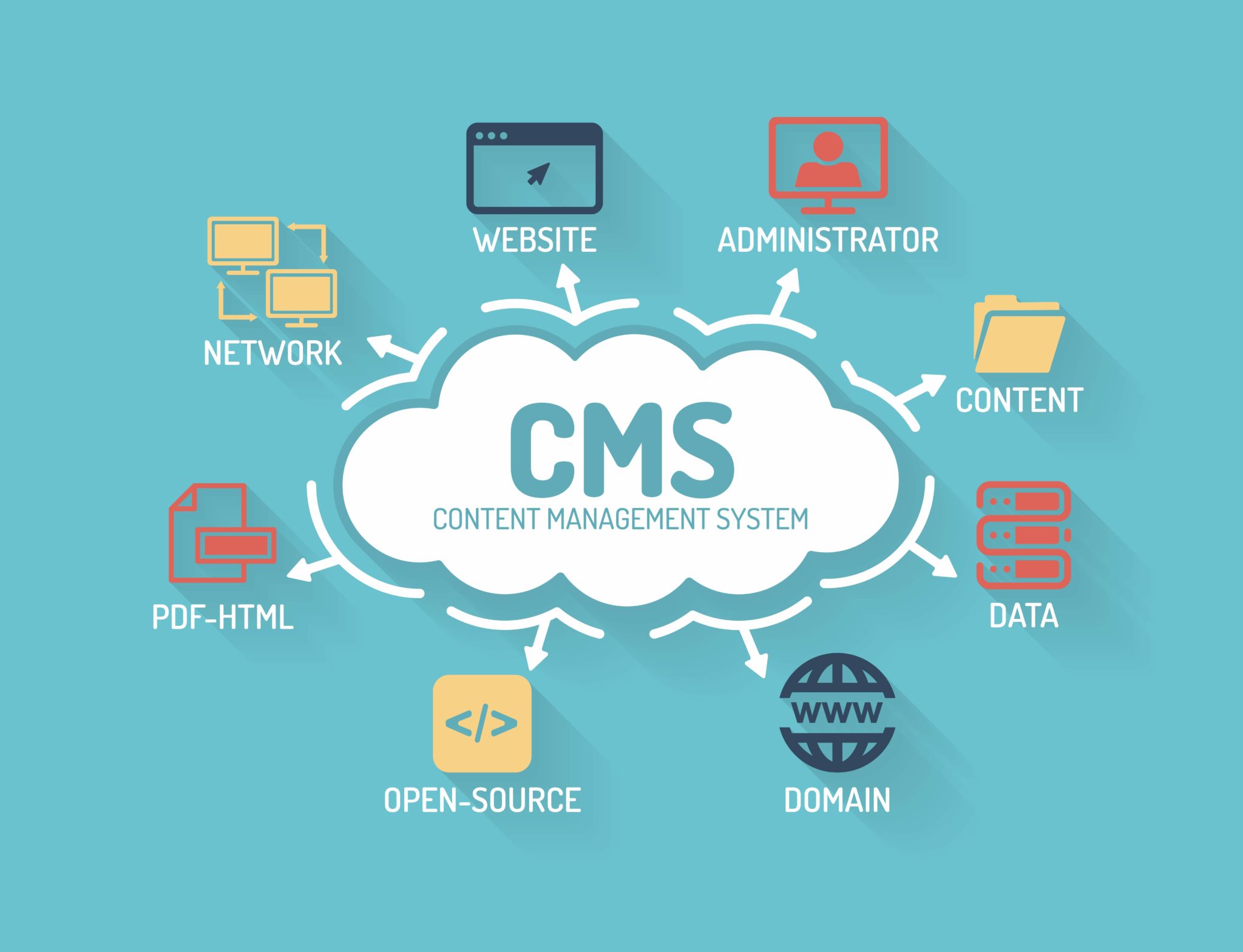 Peculiarities of site development on CMS Joomla
Most webmasters prefer to choose a CMS system to manage their project.
 How is paid hosting better than free?
The first task when starting a web project is the choice of hosting.
 How to improve blogging performance
Blogging is really the right choice to earn a decent income from working online.
A website can serve as a corporate resource, online store, blog, portfolio, online service, or compact page presenting a company’s services. Each format has its own requirements for structure, functionality, and technical foundation. For this reason, website creation begins with defining its goals and target audience.
This category contains articles about website development, design, content, and launch. We explore different ways to create websites, explain technical concepts, and help readers understand the tools required to build their own projects.
Before development starts, it is important to choose the type of website, plan its structure, and prepare a list of required features. A portfolio, for example, may need only a few informational pages and a contact form. An online store usually requires a product catalog, filters, shopping cart, payment options, and customer accounts.
A website can be developed independently, commissioned from a professional, or built using ready-made tools. The right approach depends on the project’s complexity, budget, time frame, and future development plans. Custom development provides greater flexibility, while ready-made platforms and a website builder help launch a simple website faster without advanced programming knowledge.
The main stages of launching a website include:
defining the website’s purpose and target audience;
choosing a development method and the required features;
preparing the structure, design, and content;
registering a domain name and choosing hosting;
testing the website on desktop and mobile devices;
connecting analytics, basic security tools, and backups;
publishing the website and keeping it updated.
Publishing a website on the internet requires a domain name and a place to store its files. A domain should be clear, easy to type, and connected with the name of the company, product, or project topic. Before launch, you can check whether your preferred option is available and register a domain name.
Hosting requirements depend on the technologies used, expected traffic, and volume of data. Shared hosting is generally sufficient for a blog or small corporate website. Projects with more complex features or higher traffic may require more powerful server solutions. On the website hosting page, you can compare available plans and choose resources that meet your project’s requirements.
Publishing the first version does not complete the work on a website. Software components need to be updated, new content must be added, loading speed should be monitored, and security and visitor behavior require regular attention. The website’s structure, design, and functionality may also change as the project develops.
The articles in this category cover individual stages of website creation, common technical difficulties, and solutions for different projects. They will help you plan a launch, supervise the work of contractors, or develop your own website independently.
CityHost
Services
Contacts


2004 - 2026 "CityHost" - professional
paid hosting in Ukraine.